What’s on TV? Parallels between television and audio branding
January 26, 2026
Setting the Scene
Sitting down to watch TV in the modern age involves a lot of multi-tasking. Having your work computer open, scrolling on your phone and still talking to the people around you. There’s a lot to keep you busy.
The show you’ve all sat down to watch is starting! Phones and laptops go away, the talking stops and you grab your favourite snack. But what alerted you to this big event, causing an almost instinctive reaction that brought you straight into the world of your favourite show?
Sound.
Since the dawn of broadcasting, audio has been used to spread information. From the first phone calls, to the advent of radio and television; sound has told us what emotions to feel, when to pay attention and, most importantly, what we’re consuming. The show’s intro alerts us to its existence on our screens and aims to capture the essence of the experience in one visual/ aural sequence. Even someone still standing in the next room will know to hurriedly take a seat when the familiar tune rings out.
“When we are able to broadcast so that all the senses are catered for, we shall live in a world which no one has yet dreamt about.”
Reporter from the “Radio Mirror” of the Daily News reported Dec. 30, 1926
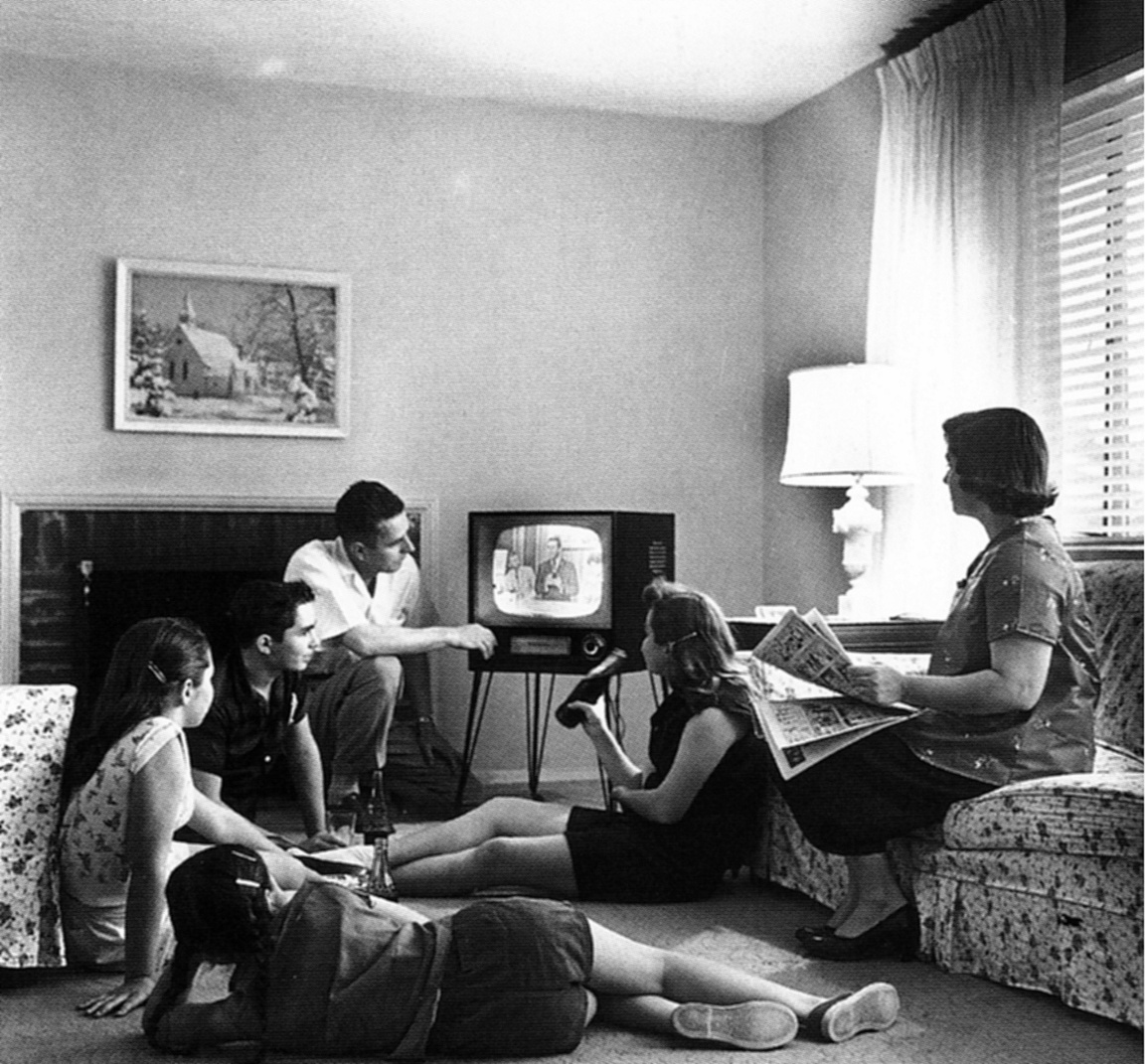
The Science Channel
The human auditory response is on average 20-40ms faster than our visual response. This doesn’t appear to be much, but it means that we often hear things before we see them. This is, of course, not always the case. Some shows will intentionally open with silence for dramatic effect. But still this absence of audio utilises an understanding of quiet as a form of sound. More often than not, it is the intro music being the first interaction you encounter.
This visceral reaction we have is due to the established ‘brand’ that the show has developed. We know what emotions we want to feel. If it’s to laugh, cry or hide behind the sofa, we know what to expect. It catches our attention and reels us into the experience.
The same can be said for audio brands.
When consumers see a visual identity, there is an extra 20-40ms before they have time to process what they’re looking at that could be utilised by sound. Again, you may not think this is much, but market research company Ipsos found that audio assets were, on average, 3.44 times more effective than visual assets in producing high performing advertisements (Sheridan, 2020).
The functionality of audio logos is very similar to TV intros also. They convey the brand’s message, alert you to their being and influence the emotions you feel. Sound has defined shows for generations, why is your brand different?
Streaming Wars: Return of the UI
As viewers move away from traditional broadcasting to streaming services, we don’t see this fade. As well as an individual show’s intro sequence Netflix, AppleTV, Amazon Prime and most major streaming platforms have developed signature sounds that are the first exchange you have with the application, further accentuating the brand you are watching. This acts effectively as an ‘intro’ to your platform, the same way a title sequence precedes a show.
These sounds act as the audio logos for the platform. They are at the centre of the developed brand and are often dynamic, synthesised creations that emphasise the ‘tech’ element of modern streaming. As these sites have developed further into phone and computer applications, the design of UI sound has been the next logical step for creating a cohesive and enjoyable experience.
The ever-growing number of streaming sites results in constant competition to make a successful show, so it’s no surprise they want you to know what product is theirs. With the budget and variation that these platforms are able to provide, they want something to tie it all together.
Even as companies step into the movie game, they build upon existing audio logos to make extended, theatre level announcements that ‘this is us’. Most of us will admit we are guilty of being distracted when every collaborator and studio is listed off one by one before you actually get to watch what you came to see. Every visual can float by without you noticing, but your ears don’t switch off. You hear a familiar sound that sparks a deep rooted reaction. You now know who’s show this is.
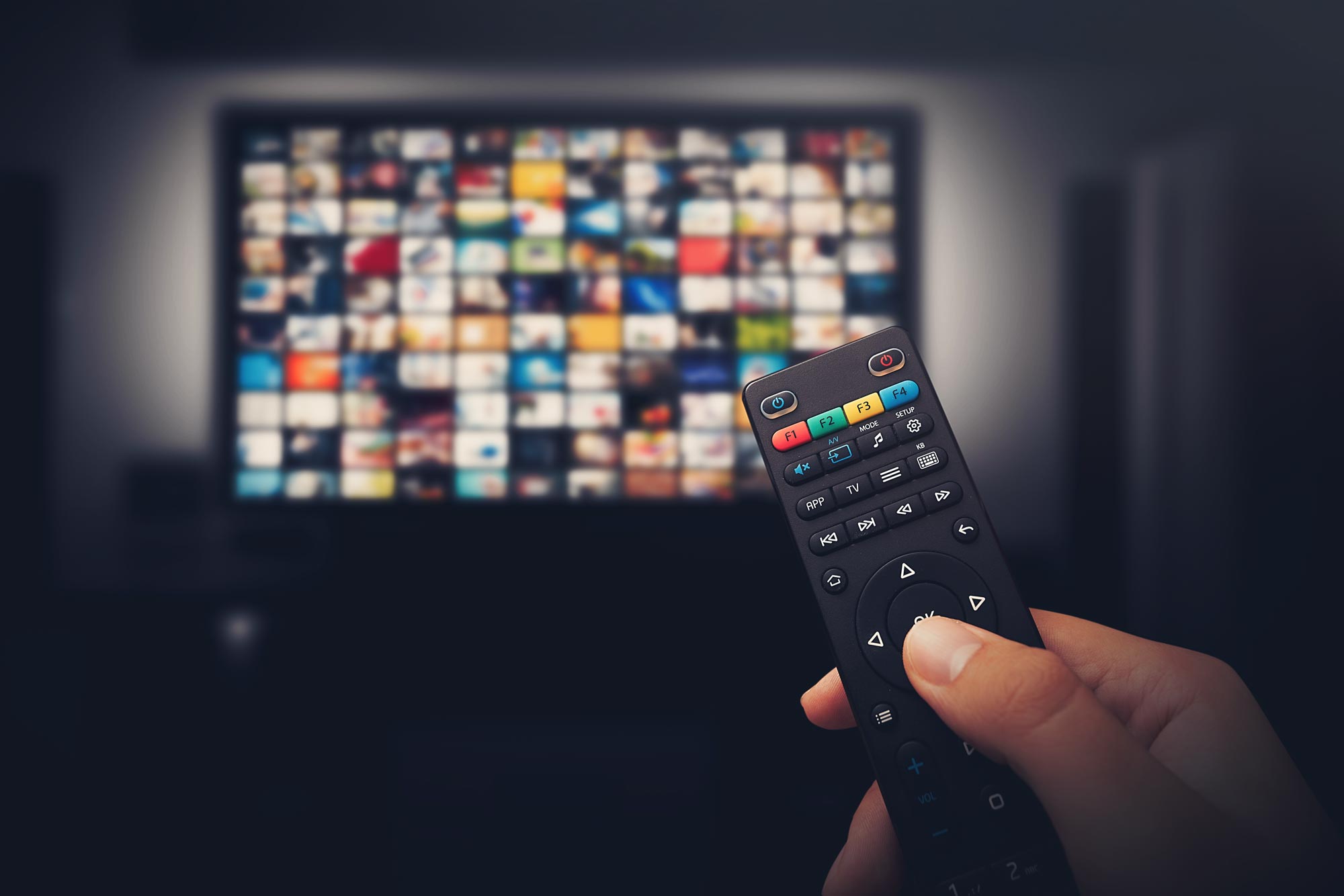
The Showstopper
So next time you have a quiet evening and decide to snuggle up with a hot drink and a tasty snack, close your eyes and really listen to your television. It’s telling you so many things all at once, even without you interacting with its primary output. This is the power of sound
