E-commerce platforms, delivery apps, and digital-first services across India are investing in sonic branding to stand out in one of the world’s most crowded digital markets and create consistent experiences across mobile and web touchpoints. Read more about sound design for apps.
Sonic branding
in India
Request presentation























Overview
What is sonic branding?
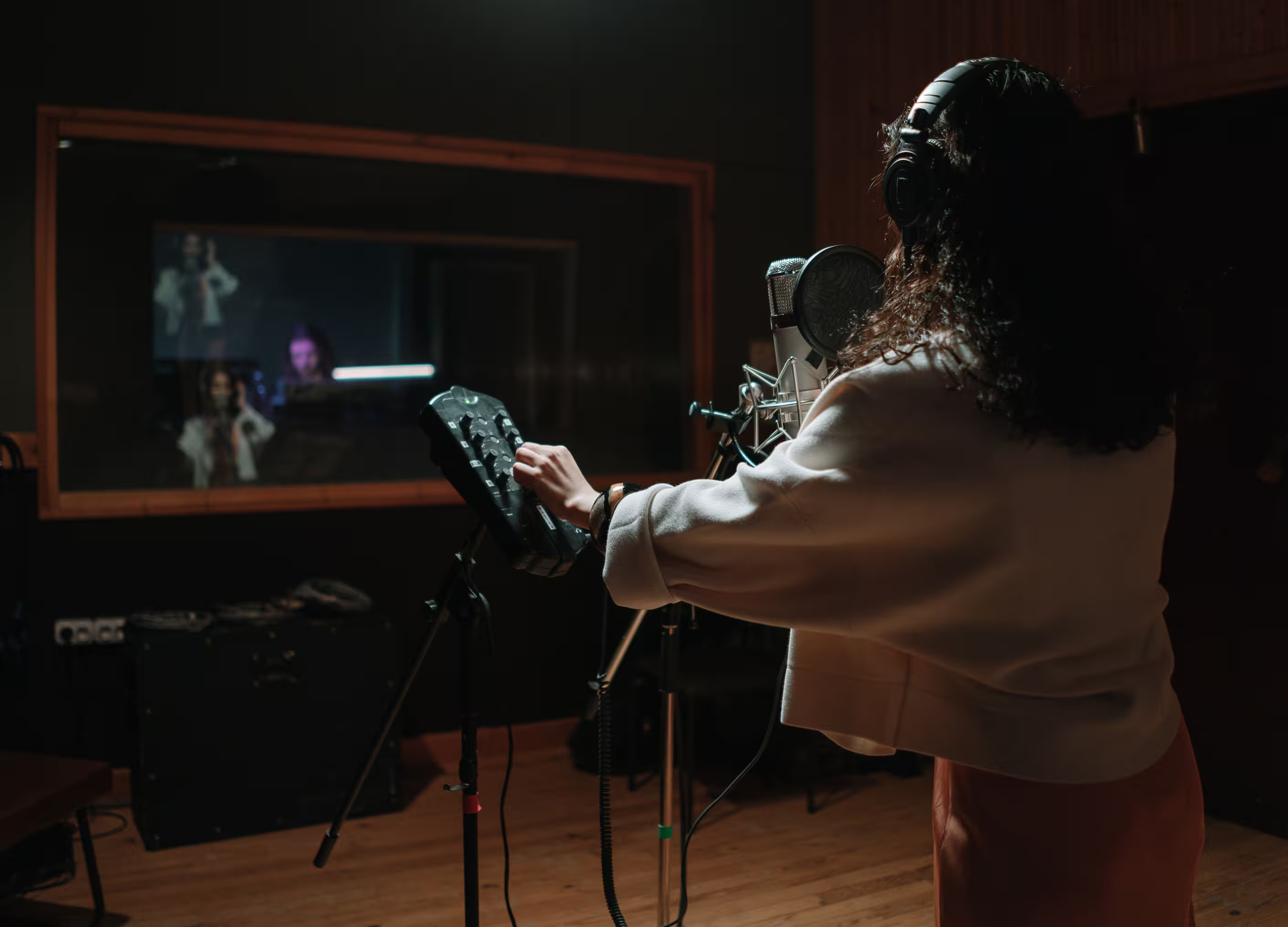
Sonic branding is the strategic use of sound to build brand recognition and emotional connection. From audio logos and brand music to product sounds and experiential audio, sonic branding creates a consistent audio identity across every customer touchpoint.
In today’s competitive markets, sound has become a critical brand asset—as distinctive and valuable as your visual identity. Whether customers encounter your brand in a luxury hotel lobby, a mobile app, or a retail environment, strategic sound design ensures instant recognition and lasting impression.
Market insight
Why sonic branding matters in India
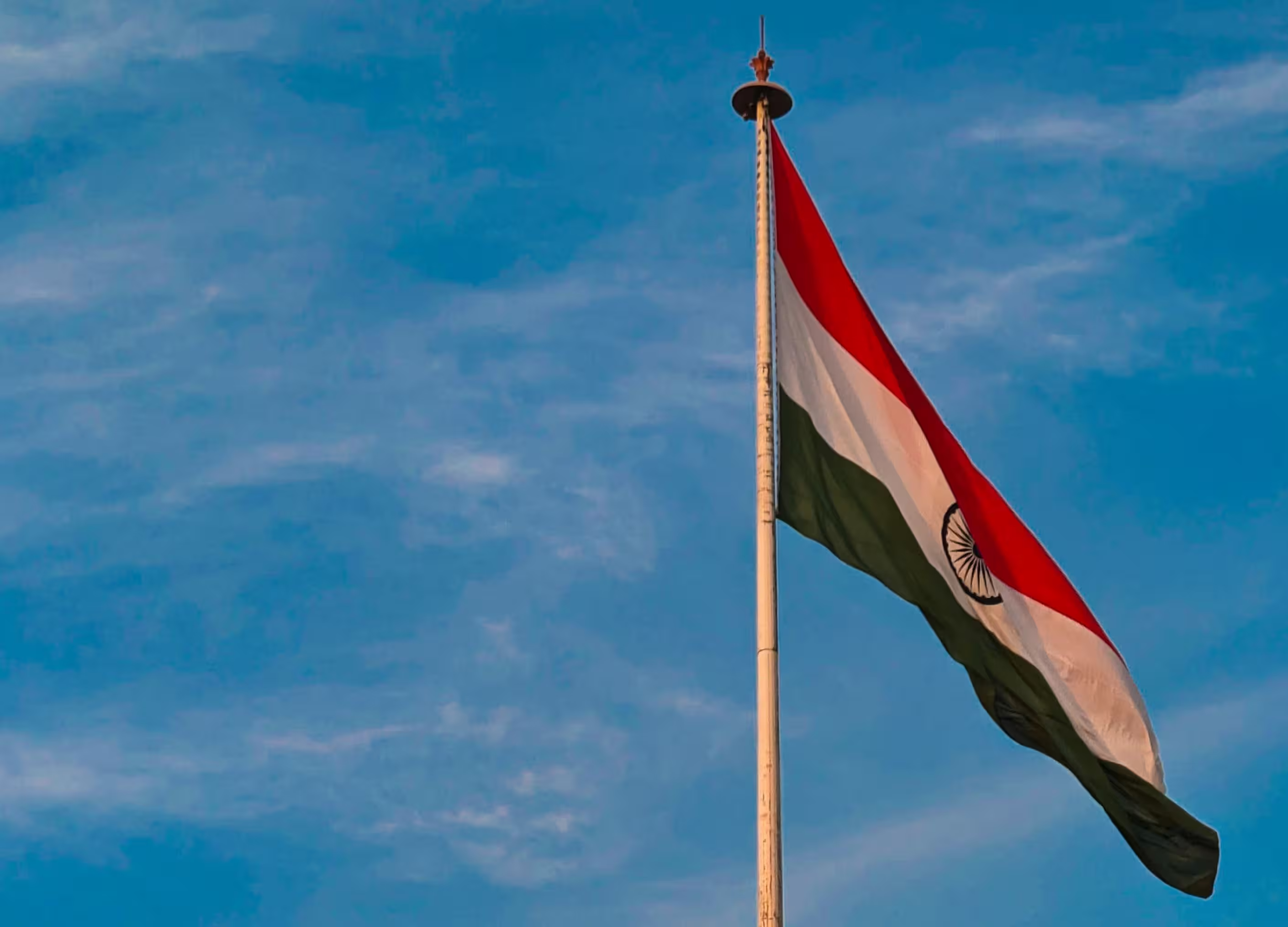
Sonic branding is growing across India for reasons that go beyond taste — rapid digital transformation, an intensely competitive market, and national growth agendas like Digital India are pushing identity systems well beyond the logo.
A strategic investment, not a creative add-on
As digital platforms multiply and competition intensifies, sound is no longer something bolted on at the end of a campaign. Indian brands are increasingly building it into long-term identity systems from the start — the same way they would treat a visual identity or a brand voice.
One of the most linguistically diverse markets on earth
With more than twenty official languages and hundreds more spoken regionally, a sonic identity has to work where words can’t always travel consistently. Sound becomes one of the few brand elements that can stay genuinely the same from Delhi to Chennai to Kolkata.
A mobile-first, digitally native audience
India’s digital payments and app ecosystem is one of the largest and fastest-growing in the world. Every UPI confirmation, notification, and in-app interaction is a sonic touchpoint — and brands that design for it deliberately stand out in a market where most people experience a brand primarily through a screen.
A market shaped by music
Few cultures engage with music as constantly and as publicly as India does — from classical traditions to the sheer reach of film music. Audiences here are unusually attuned to sound, which raises the bar for what a brand’s sonic identity needs to achieve to actually stand out.
A fast-growing, intensely competitive market
India is one of the world’s fastest-growing consumer markets, and brand competition is fierce across every category. In a market this crowded, a distinctive sonic identity is one of the fastest ways to build recognition and stand out.

Market development
Sonic branding across India’s growth hubs
From Mumbai’s media capital to the tech hubs of Bengaluru, Hyderabad, and Delhi NCR, India’s booming commercial centers are redefining brand identity. In these fast-moving markets, sound offers a powerful way to cut through the noise and build instant recognition.
Global strategies rarely translate directly. Success across India’s key business cities requires sound design built for local digital ecosystems, regional audiences, and a culture where audio is woven into everyday life.
“India is growing faster than almost any brand market in the world, and that growth changes what branding has to do. A logo used to be enough to stand out. It isn’t anymore. The brands that will lead here are the ones building an identity that feels unmistakably local across every language and region, and confidently global at once.”
Søren Elsborg
Creative Director
Sonic Minds





Industry applications
Sonic branding applications in India
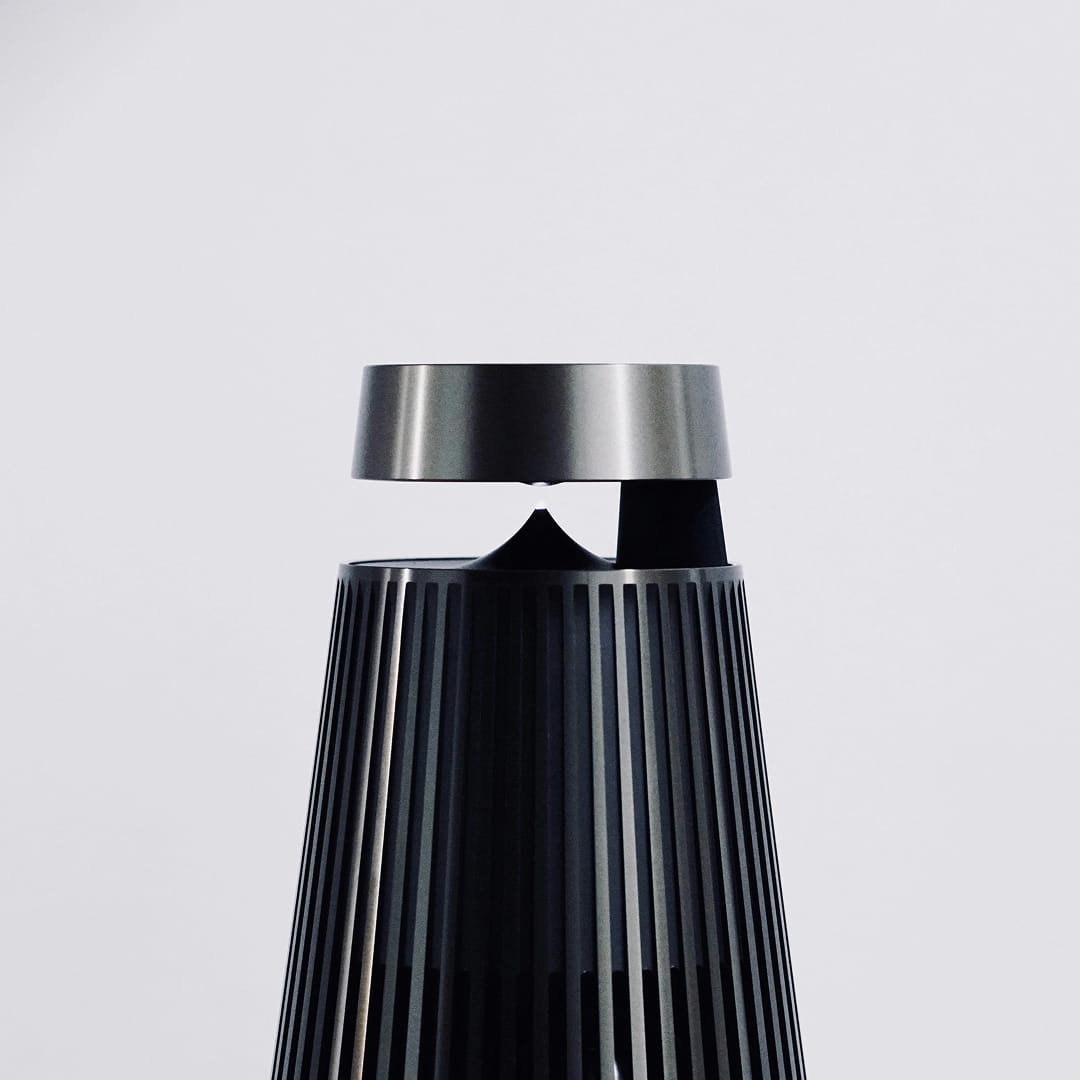
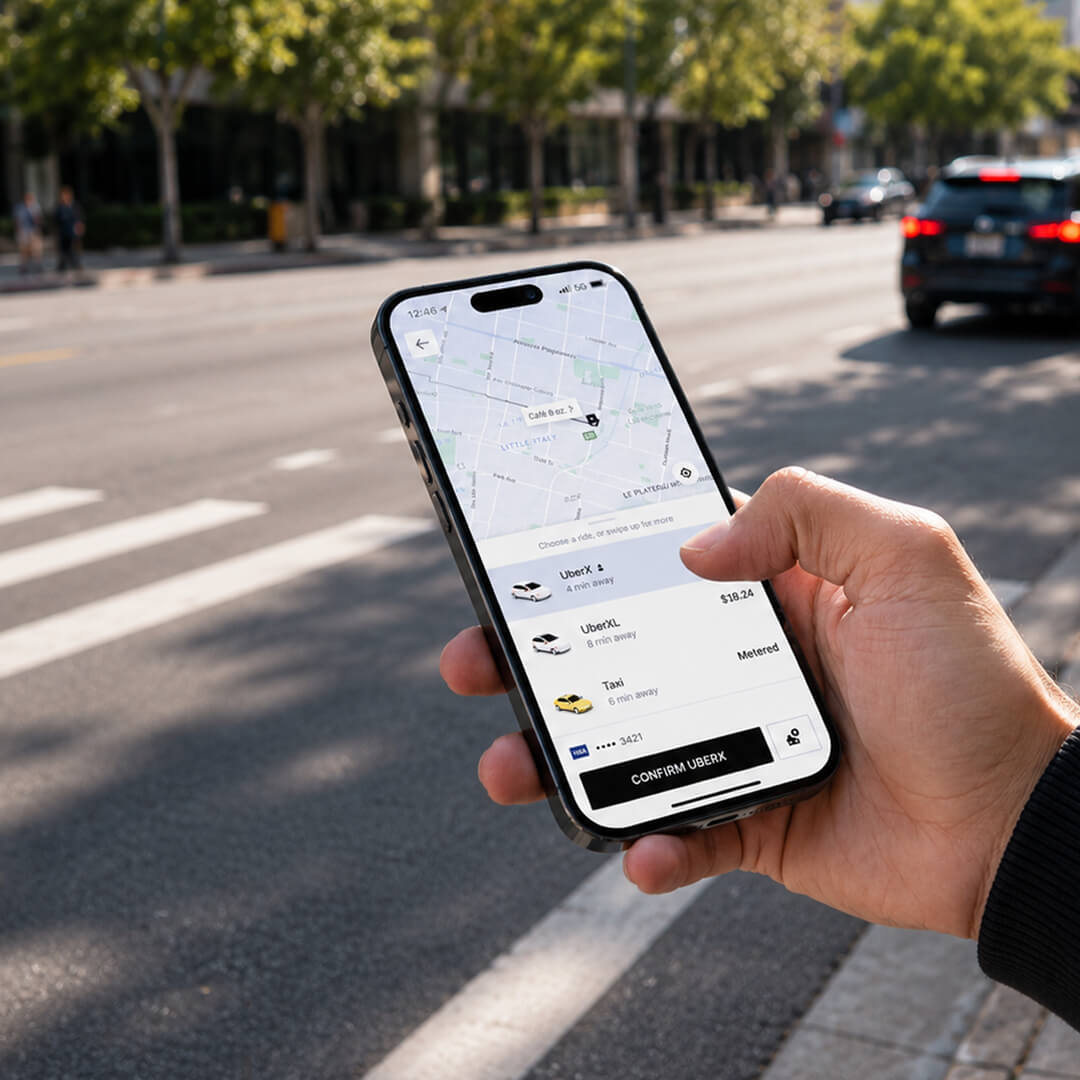
From appliances and smart devices to consumer electronics and hardware, technology brands across India are investing in sound as a core part of the product experience — device startup tones, notification chimes, and the small UX/UI sounds that make a product feel considered, responsive, and premium every time it’s touched. Read more about sound design for technology.
FMCG brands across India use sound to strengthen shelf recognition, product interaction, and advertising recall — building consistency across every touchpoint from packaging to campaign, in one of the largest FMCG markets in the world. Read more about sound design for FMCG.
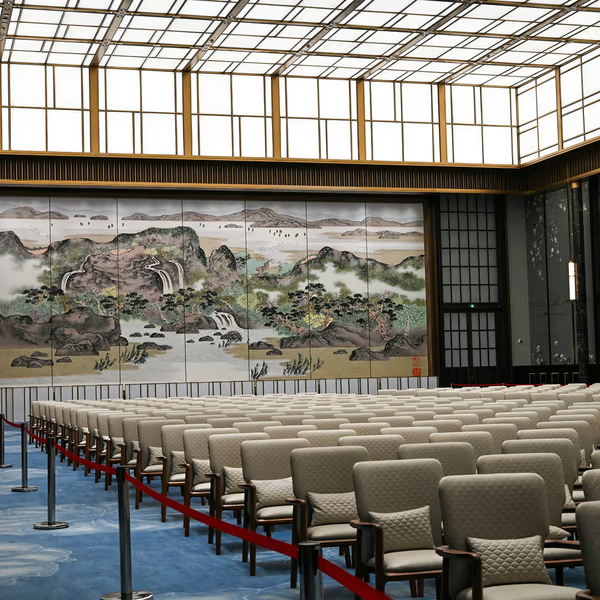
From check-in to checkout, sound shapes the guest experience. Leading hotels across Mumbai, Delhi, and beyond use sonic branding to create memorable stays—from lobby soundscapes to in-room audio experiences that reflect their brand positioning. Read more about sound design for physical spaces.
Banks and fintech companies operating in India use sonic branding to build trust and recognition. From UPI confirmations to app sounds, strategic audio design communicates security, innovation, and reliability at massive scale. Read more about sound design for financial services.
Airlines, railways, and transport operators across India use audio branding to enhance passenger experience and strengthen brand recall. From boarding music to announcement tones, every sound reinforces the brand promise. Read more about sound design for transport.
Government entities across India use sonic branding to reinforce institutional trust and consistency — from public-facing digital services to campaigns aligned with national growth agendas. Explore sound design across sectors.
Our services
Branding
Products & apps
Music for brands
Sonic signature
Voice
Physical spaces
Rights & sync
Management
Research
Audio branding & music strategy
UI/UX sound design
Music production
Audio logo
Speak & voiceover
Environmental sound design
Music licensing & supervision
Audio brand management
Audio testing
Explore all
our services
our services
→
Our work
ASUS
A comprehensive sonic identity — from audio logo to UI sounds across the full product ecosystem. Red Dot, iF Design Award and International Sound Award winner.

Arla
The Kulning audio logo — a distinctive sonic identity rooted in Nordic heritage, developed through extensive pan-European testing and now a core Arla brand asset.
IG
A bold, confident sonic identity for one of the world’s largest online trading platforms — designed to signal precision, trust, and financial authority.
DSB
A complete audio identity for Denmark’s national railway — warm, clear, and consistent from station announcements to digital campaigns. Transform Awards Europe winner.
Carlsberg
A sonic identity built to honour the heritage and global ambition of one of the world’s most iconic beer brands — crafted to resonate across markets and cultures.
Explore all
our work
our work
→

Our approach
How we approach sonic branding in India
We guide brands through the complete sonic branding journey — from auditing and research through strategy, composition, and implementation, supported by local expertise and insight on the ground in India.
1. Research & discovery
We understand your customers, brand positioning, and competitive landscape through audio audits, market research, and stakeholder interviews — drawing on local insight into how sound is perceived across targeted target audiences.
2. Strategy development
We develop a sonic strategy aligned with your brand positioning and long-term vision, deciding what should stay globally consistent and where regional adaptation earns real relevance.
3. Design & composition
We create your sonic assets — audio logos, brand music, UI sounds, and more — working with regional musicians and instrumentation where it strengthens the identity, rather than as a default.
4. Testing & refinement
Every sonic element is tested and refined with real audiences before delivery, ensuring the identity performs as intended once it reaches your customers.
5. Implementation & guidelines
We deliver comprehensive sonic brand guidelines and support rollout across retail, digital, and customer experience touchpoints — with our team on hand throughout execution.

Our heritage
Danish roots,
global ears
Sonic Minds was founded in Denmark — a country with an outsized influence on the world of sound, from Bang & Olufsen’s design philosophy to a design culture that treats sound as seriously as form. That heritage shaped how we work everywhere we go, and it’s earned us recognitions along the way.
We’ve since grown into a global network, but we never stopped thinking like locals. That same rigor and restraint travels with us into every market — carried by regional teams and local musicians and specialists who bring the on-the-ground cultural insight that only comes from working inside the market itself.




Meet our team in the region

Jayneel Modi
Audio Branding Consultant, Sonic Minds

Vivaswath Rao
Audio Branding Consultant, Sonic Minds

Karsten Kjems
CEO, Founder, Sonic Minds

Søren Elsborg
Creative Director, Sonic Minds
Frequently asked questions
What is sonic branding used for in India?
Sonic branding in India is used across hospitality environments, retail and FMCG experiences, transport touchpoints, digital platforms, fintech, and government and corporate spaces. It helps brands create recognition, shape customer experience, and build emotional connection through strategic use of sound.
Why is sonic branding growing in India?
Sonic branding is growing in India due to rapid digital transformation, intensifying brand competition, and national growth agendas like Digital India that push organisations to build more consistent, more differentiated identity systems. As more Indian brands expand across the country’s many languages and regions — and beyond it — they need sound to carry emotional recognition across advertising, apps, social media, and campaigns, not just visuals. That’s made audio branding a strategic investment rather than a creative add-on.
What does it mean for sonic branding to “sound local” in India?
Sounding local doesn’t mean using obvious stereotypes or reaching for a sitar sample. In the Indian context, it means thoughtfully incorporating elements that resonate with regional sensibilities — perhaps rhythmic patterns inspired by classical traditions, tonal choices that feel warm and familiar, or references to instrumentation woven in a contemporary, sophisticated way. The goal is creating something that feels authentic and culturally aware without being pastiche, and that still travels across India’s many languages and regions.
Which industries use audio branding in India?
Audio branding in India is widely adopted across financial services and fintech, government and public-sector entities, transportation, retail and FMCG, technology, and digital-first platforms. Banks and fintechs use it to reinforce trust across UPI and app touchpoints; FMCG brands use it to strengthen shelf and advertising recall; retail brands use it to stand out in a crowded market. As competition increases, more sectors are recognising the commercial value of sound.
How do Indian audiences respond to audio branding?
Indian audiences are unusually attuned to sound and music, given how present both are in daily public life — from film to advertising to everyday digital interactions. That makes sonic branding an especially effective tool here, but it also raises the bar: generic or careless audio gets tuned out quickly in a market this musically fluent. The key is balancing memorability with genuine cultural relevance.
How does sonic branding support brands expanding across India’s regions?
A well-built sonic identity creates a consistent, scalable system that travels with a brand as it expands across India’s many states, languages, and cultures. A unified audio system maintains recognition everywhere while still allowing for regional adaptation where it genuinely matters — keeping advertising, digital platforms, and physical environments feeling like the same brand from Mumbai to Bengaluru to Kolkata.
Do you offer sonic brand audits?
Yes, we offer comprehensive sonic brand audits to evaluate your current audio touchpoints and identify opportunities for improvement. An audit examines every place your brand uses sound—from digital platforms and retail environments to customer service and advertising—assessing consistency, effectiveness, and alignment with your brand strategy. This process helps brands understand where their audio identity is working well and where strategic improvements could strengthen recognition and customer experience.
Can sonic branding work across South Asia more broadly?
Yes, when designed with regional insights. While each market has nuances, sonic branding can work effectively across South Asia when it balances universal brand consistency with cultural sensitivity. Local expertise helps ensure your audio identity resonates appropriately across different markets in the region.
How long does it take to develop a sonic brand identity?
A comprehensive sonic branding project typically takes 3-6 months from initial research through to final delivery and implementation guidelines. This includes discovery, strategy development, creative exploration, testing, refinement, and production of final assets.
