Audio branding – how does your brand sound?
June 13, 2023
What is audio branding?
What is audio branding, and why does it matter for your business? Audio branding is the strategic use of sound and music to create a distinctive brand sound identity that resonates with your audience across every touchpoint. Just as your visual identity includes logos, colors, and typography, your sound identity encompasses all the auditory elements that make your brand recognizable and memorable.
A well-crafted brand sound identity goes beyond background music or simple jingles. It creates emotional connections, drives brand recall, and differentiates your business in an increasingly crowded marketplace. Understanding what is audio branding is the first step toward harnessing the power of sound to strengthen your brand.
Identity through sound
In today’s digital landscape, branding primarily engages two of our five senses: sight and sound. While many businesses have perfected the visual aspect of their corporate identity, it’s time to shift strategic focus toward developing a comprehensive sound identity. With consumers exposed to an overwhelming average of 5,000 ads per day, it’s becoming increasingly difficult to capture attention. People are experts at tuning out visual and auditory overload in a saturated media environment, and as a result, attention spans are dwindling. This makes it critical for businesses to craft a multi-sensory, meaningful experience that includes a strategic brand sound identity.
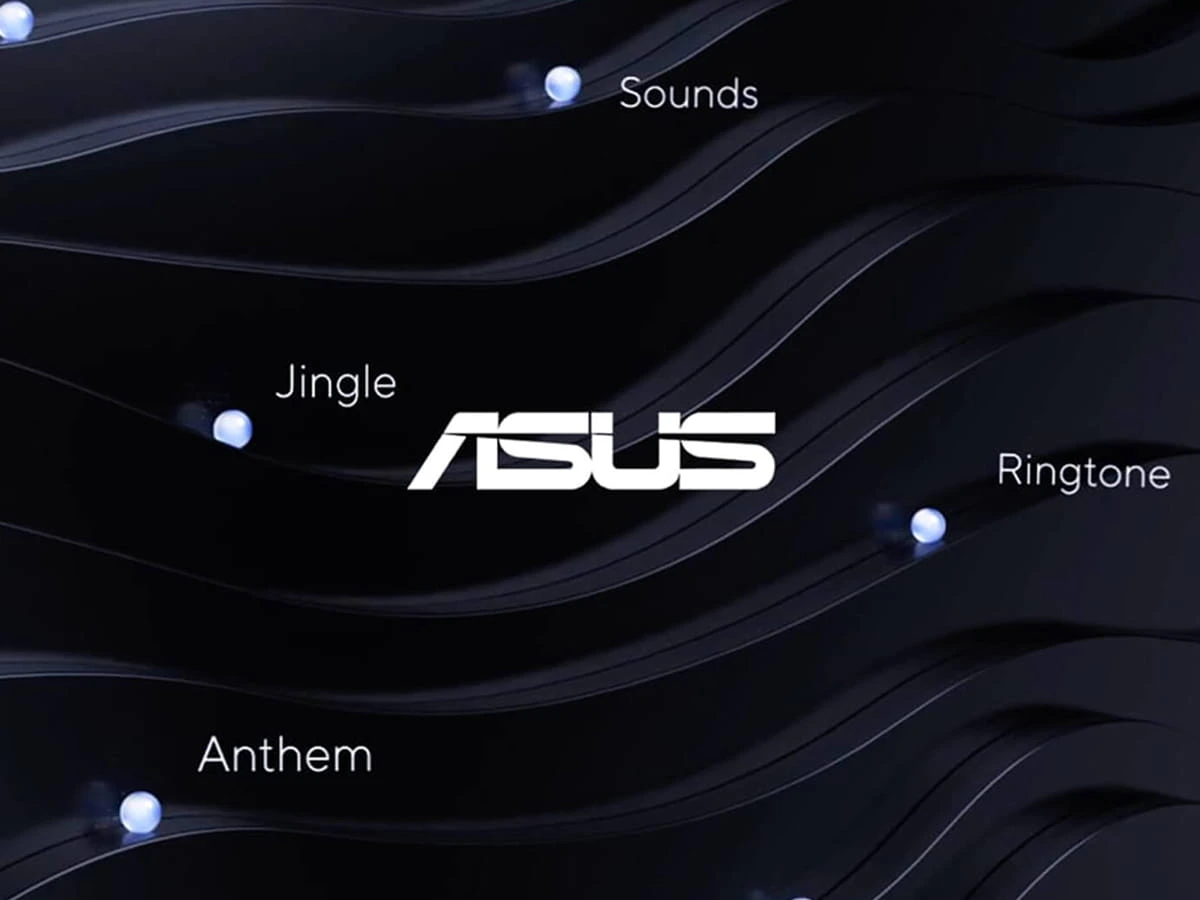
So what is audio branding in practice? Audio branding, also known as sonic branding, is the deliberate use of sound and music across all brand touchpoints to create more engaging, meaningful, and emotionally resonant communication. Much like a visual identity, a sound identity serves as a core component of a brand’s overall persona. Your brand sound identity is how your business sounds to the world. Initially emerging in the form of jingles, where brand or product names were set to catchy music and lyrics, audio branding has evolved over time. Coca-Cola is a prime example of an early adopter of audio branding, with their jingles paving the way for more sophisticated sound identity strategies in today’s marketing world.
The audio identity: building your brand sound identity
An audio identity is an audio parallel to a visual identity, and consists of all the sounds and audio pieces an entity (business/organization) can be recognized upon. Your sound identity is the complete auditory expression of your brand, encompassing everything from your audio logo to background music, UI sounds, and voice characteristics.
Understanding what is audio branding means recognizing that your brand sound identity should be as carefully crafted as your visual identity. A comprehensive sound identity creates audio coherency, synergy, and recognizability across all customer touchpoints. When done strategically, your sound identity becomes a powerful brand asset that distinguishes you from competitors and creates lasting emotional connections with your audience.
The Audio logo
A good audio logo (or sound logo) is a brand asset that reflects a brand in a short melodic phrase, melody, or sound. In time, the audio logo may converge into a brand symbol that carries associations that help shape the brand image and function as a memorable link to the existing brand. To successfully achieve this, sound logos as brand elements must be: Memorable, meaningful, likable, transferable, adaptable, and protectable in the consumer’s mind to contribute to building brand equity.
Why your brand sound identity matters
Now that we’ve explored what is audio branding, let’s examine why developing a strategic sound identity is essential for modern brands. Your brand sound identity does more than just make your marketing more pleasant—it fundamentally shapes how consumers perceive and remember your business.
A strong sound identity creates consistency across all touchpoints, from your website and mobile apps to in-store experiences and advertising. When customers hear your brand sound identity repeatedly in different contexts, it reinforces brand recognition and builds trust. This consistency is what transforms casual customers into loyal brand advocates.
The power of audio branding: how sound identity influences behavior
Hearing is the first sense we develop. We can hear before we are born, and music is the type of sound that affects our emotional state the most. It affects our moods, feelings, behavior, pulse, and can make us feel calm, sad, scared, or even happy and uplifted. Most sounds that surround us today are random and sometimes even unpleasant. Audio branding is not a question of adding more sound but using the right sound at the right time and place. Otherwise, it’s noise.
Sound and music affects us in 3 ways:
- The way we feel
- The way we think
- The way we act
This is the core of what is audio branding’s power: the ability to influence emotion, cognition, and action through strategic sound. Your brand sound identity taps into these three pathways, creating marketing communications that don’t just inform but also engage and motivate. A well-designed sound identity works on both conscious and subconscious levels, making your brand more memorable and influential.
Knowing this and knowing that most of our decisions are made unconsciously, audio branding can play an essential role in creating meaningful, affective, and effective brand communication. A study conducted by professors Dr. Adrian North and Dr. David Hargreaves reports that brands with music that fits their brand identity are 96 percent more likely to be recalled than those with non-fitting music or no music at all.
Especially when it comes to a combination of audio and visual logos. Consumers that like the combination and recognize it will probably also find the combination fitting to their perception of the brand. Contradictory, if one does not like the combination of the audio logo and visual logo or cannot recognize it, the perception of fit will probably be more negative. We do not remember the noise and boring music experiences. Only bold, meaningful, and emotional, engaging music can do this.
Try to listen to the sounds and music your brand is using, and then ask yourself:
- What emotional state does this leave our audience in?
- Is it meaningful and engaging?
- Does the musical expression substantiate your brand promise and reputation?
Do you need a sonic logo?
Get in touchAudio logos as mnemonics
Understanding what is audio branding’s practical application starts with audio logos, the most concentrated form of your brand sound identity. Why are some audio logos so powerful and make us recall the brand? There are several reasons: First, music theory reveals that audio logos between 5-7 notes make it easier to remember. We experience this in the audio logos from Intel, McDonald’s, Coke Cola, and others (they all have 5 notes in their audio logo). Secondly, if the audio is used consistently together with the presentation of a visual logo, i.e., with an animation in at TV-commercial, the combination of audio and visual representation makes it even more memorizable due to the combination of two senses. Furthermore, suppose we often are exposed to an audio logo and visual logo together (tv, web, cinema). In that case, our brain will unconsciously recall the visual logo, that was “attached” to the audio logo, just by hearing the audio.
Coke probably made the best audio branding case in 2010, where they were the head sponsor of the FIFA world Cup. The FIFA theme song is the 5 Coke Cola’s 5 audio logo notes, made into a tune, played by different artists from 14 different countries, making it one of the most downloaded tune that year. By making famous artists and people singing their Coke audio logo, elegantly disguised into a tune, Coke managed to create effective subliminal branding by having their sound logo played millions of times during the tournament and one of the most downloaded tunes on iTunes in 2010.
Building a cohesive brand sound identity
What is audio branding without consistency? A fragmented sound identity confuses customers and dilutes brand recognition. The most successful brands understand that their sound identity must be cohesive across all touchpoints while remaining flexible enough to adapt to different contexts.
Your brand sound identity should include:
- Audio logo: The core sonic signature (3-7 notes typically)
- Musical palette: Instrumentation, genre, and tempo guidelines
- Voice characteristics: Tone, pace, and personality in spoken content
- Functional sounds: UI sounds, notification tones, and ambient audio
- Strategic silence: Knowing when not to use sound
Each element of your sound identity should reinforce your brand values while working harmoniously with the others. This holistic approach is what separates strategic audio branding from random music selection.
We feel faster than we think
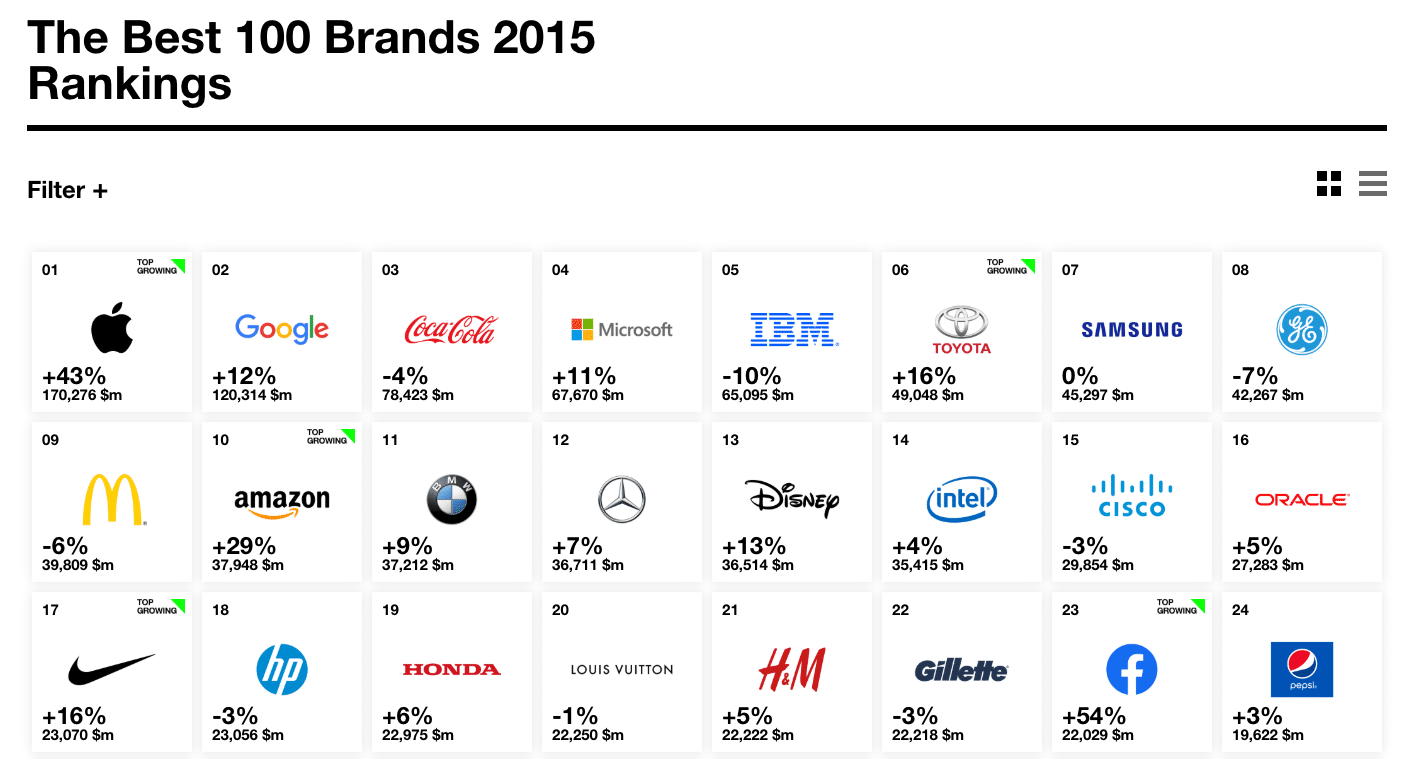
What is audio branding’s ultimate advantage? Emotional speed. We feel faster than we think, and your brand sound identity leverages this biological reality. Looking at InterBrand top 16 strongest brands in the world, from 2015, 50 % has an audio logo. A tendency that has been increasing over the last couple of years. Why? Because it is working and creating more brand value.
Increasingly more brands are becoming aware of the value and importance of the auditory component of their marketing communication because, no matter what your activities are, your brand is making sound. And if you are not giving it the attention it deserves, you are probably shooting yourself in the foot. We see, choose, and evaluate brands and products as much with our ears as we do with our eyes.
We can feel faster than we think. It’s all about emotional connectivity and response. Advertising that generates emotional response has two benefits
- It can help the emotions transfer to the brand, shaping the brand perceptions
- It can help generate engagement and memorability
“Brands that create an emotional connection to
consumers are much stronger than those that don’t – it’s as simple (and complicated) as that” – Martin Lindstrøm
Audio branding as a philosophy: developing your sound identity with intention
At Sonic Minds, we believe that silence is king. Silence is a rare but valuable condition that is seldom nowadays. If you choose to break it, it must create more meaning and value than the silence you break. Otherwise, we are just creating noise.
This philosophy should guide your entire approach to audio branding. So, if your brand was to be expressed in audio, how should your sound identity sound? What feelings and meaning should your brand sound identity evoke? And how and where should your brand use music and sound to create more value and meaningful communication? These are simple but challenging questions to answer because when it comes to expressing brand values and feelings in musical and auditory terms, most people’s vocabulary often comes up short. This is precisely why understanding what is audio branding, and working with audio branding experts is so important.
How to get started building your brand sound identity
Now that you understand what is audio branding, you might be wondering how to develop your own brand sound identity. It can be difficult to grasp how and where to start if you want to work strategically with sound and music and strengthen your customer journey experience with strategic use of audio. Below is a brief guide on getting started with your sound identity development.
- Get an overview of all your brand touchpoints using audio. Map your audio customer journey experience and then identify which brand touchpoints are most important.
- Start asking why. Why are we using music here? What function should it have? What emotional feeling do we want to leave the listener at this stage? If the audio or music doesn’t create more value, then remove it!
- Designate a person in your organization as an Audio Brand Manager. Communicate that internally, and make this person the go-to-person for all audio use in the organization.
- Work with professional audio partners. Find a skilled audio branding company that can help you create and produce your brand audio identity along with implementation and ongoing consultancy and maintenance. Partnering with experts who understand what is audio branding at a strategic level ensures your sound identity is both creatively compelling and commercially effective.
- Like your corporate visual identity, make all your audio assets available online so stakeholders and collaboration partners can easily access your audio assets, along with guidelines and templates for easy usage.
- Be sure to have all music rights in place or if you work with a band or buy music, check the total cost of ownership and what it costs to have the musical expression over time.
Ready to develop your brand sound identity?
Understanding what is audio branding is just the beginning. Creating a powerful brand sound identity requires strategic thinking, musical expertise, and a deep understanding of how sound influences human behavior and emotion.
At Sonic Minds, we’ve spent over 18 years helping brands discover and develop their unique sound identity. From audio logos and UI sounds to complete audio strategies, we ensure your brand sound identity creates the emotional connections and brand recognition you need to succeed in today’s competitive landscape.
Your brand is already making sound. The question is: are you controlling that sound identity strategically, or is it happening by chance?